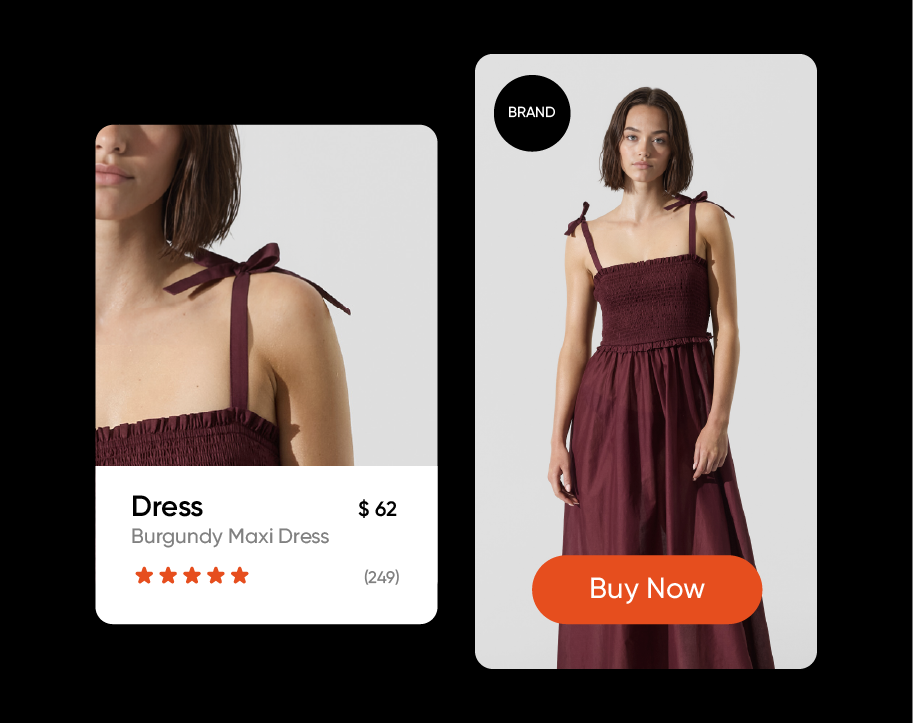
AI fashion models provide apparel brands with a tangible, yet practical approach to producing high-quality product visuals for online retailing and stores without waiting at all for physical samples, or scheduling expensive photoshoots in advance. Each season, design and merchandising teams encounter shipping, studio scheduling and production logistics that add up to more expensive delays and slow collection launches.
With AI fashion models working as an integral part of the workflow, brands can easily produce online sales and e-commerce visuals sooner, adjust how products look for different markets, and leverage visuals elsewhere in the sales cycle, across online channels, and even in marketing materials.
Increased access to visuals will translate into faster internal reviews and smoother approvals. Photoshoots have a place in flagship campaigns, but AI reduces reliance on them, lowering hidden costs and keeping content pipelines on track to elevate the shopping experience.
Faster Approvals
Product approvals are typically the largest bottleneck in development. Late samples or shipping delays can hold up entire collections. In the cases of AI fashion models, visuals can be generated at an early stage even before samples exist, so prototypes can then be quickly validated and approved - assisting brands selling through online retailing to be ahead in demand.
Brands use AI models to:
-
Validate designs without multiple rounds of physical samples
-
Speed up sign-off on fit, style & branding
-
Align on team and region approvals consistently
-
Lower logistics or studio scheduling related risks
The result? Confidence in the approval process and success in order to launch on time, which is the key to online sales and an amazing shopping experience.
B2B Acceleration
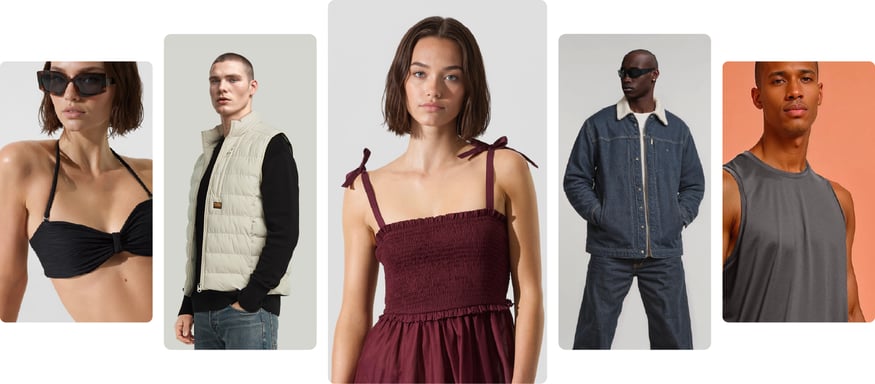
The selling of wholesale is heavily reliant on timely, accurate visuals. Historically, that has tended to involve the creation and shipment of samples to buyers or expensive photoshoots. With AI models overcoming those obstacles, those hurdles are no longer required and we have a more effective model. With Browzwear, these gains are:
With Browzwear, brands gain:
-
Brand-specific AI models that they fully own and control
-
An enterprise model library for consistent visuals across regions
-
Real-time collaboration in Stylezone with buyers, vendors, and teams
-
Wholesale-ready assortments presented without delays
This allows for faster assortments, quicker line reviews, improved vendor and buyer collaboration. Interested in learning more about how your team can achieve these results? Book a demo with the Browzwear team today!
E-Commerce at Speed
AI fashion models remove those constraints, as they instantly generate visuals that are ready for e-commerce and bring a certain level of seamless shopping experience to its online users.
With AI models, brands can:
-
Publish product pages weeks earlier
-
Test colorways and styles in minutes instead of days
-
Provide diverse visual elements that the buyer can recognize in everyday life, leading to higher conversion rates
-
Scale consistent, authentic imagery across online retailing channels
The payoff is quicker launches, lowered costs and the capability to quickly adapt to modern trends in online sales.
Why Accuracy Matters
Not all AI-generated visuals are created equal. For fashion brands, accuracy is where you stand out. Visuals must give true fit, drape and proportions without being inconsistent on all channels.
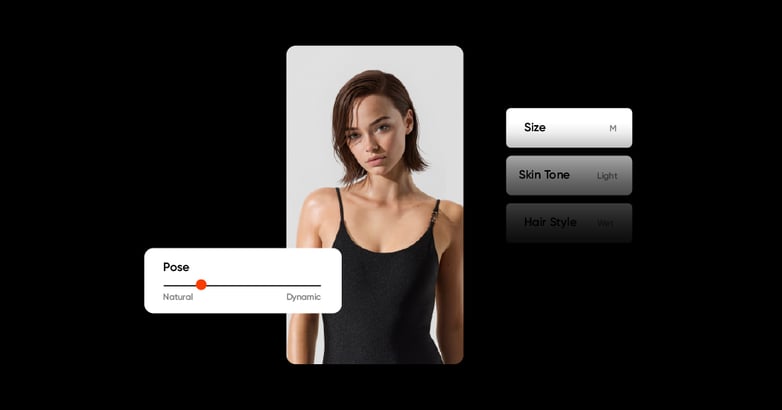
Browzwear AI models enable you to control the essentials — body shape, skin tone, hairstyle and pose. It ensures that the digital models produced are more than just a professional look, they reflect your brand and consumers.
Once accuracy is built into the process, digital models are more than marketing tools. They are central to product lifecycle processes, enabling more confident approvals, easier wholesale selling and higher-converting ecommerce content.
AI Models vs. Traditional Photoshoots
Products need high-quality visuals to reach market quickly, while typical photoshoots take way too long, often with high costs, strict schedules, and limited agility. AI fashion models represent a smarter, faster alternative and one that complements, not replaces, traditional shoots.
Traditional photoshoots 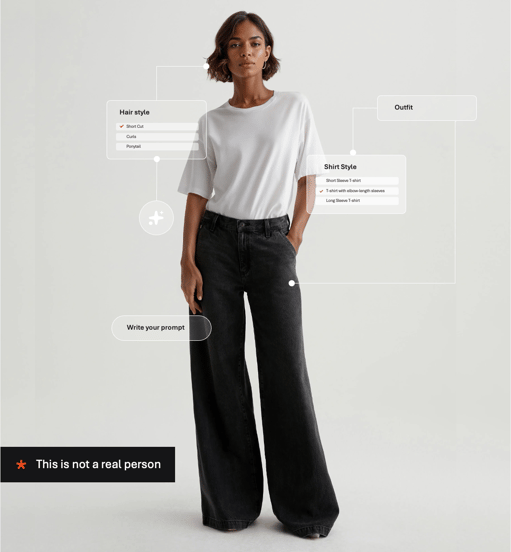
-
Require physical samples and shipping
-
Depend on studio schedules and logistics
-
Limit diversity and customization
-
Drive high costs per campaign
AI fashion models
-
Create visuals early, before samples exist
-
Are available on demand
-
Allow full control of the appearance of the model
-
Provide reusable assets at scale with a reduced cost
AI does not entirely eliminate the need for photoshoots. Many brands still use them for flagship campaigns. However, AI cuts the photoshoots needed and can generate more rapid options in less time.
Business Results You Can Expect
Brands using AI will lead to faster speed to market, less risk of dependency on physical samples, and lower content costs while amplifying brand interactions with wholesale partners and consumers. Most importantly, they can now also scale authentic visuals across approvals, B2B sales and e-commerce growth; that way every shopping experience is improved dramatically.
Key business impact includes:
-
30-50% faster go-to-market with fewer samples and faster approvals
-
Significant savings on photoshoots and content production
-
Higher conversion rates with with credible, compelling imagery
-
Consistent brand visuals across regions and platforms
All of those results combined illustrate the ways AI fashion models are not only a creative tool, but one that helps brands to scale smarter, cut down on waste, and achieve measurable growth.